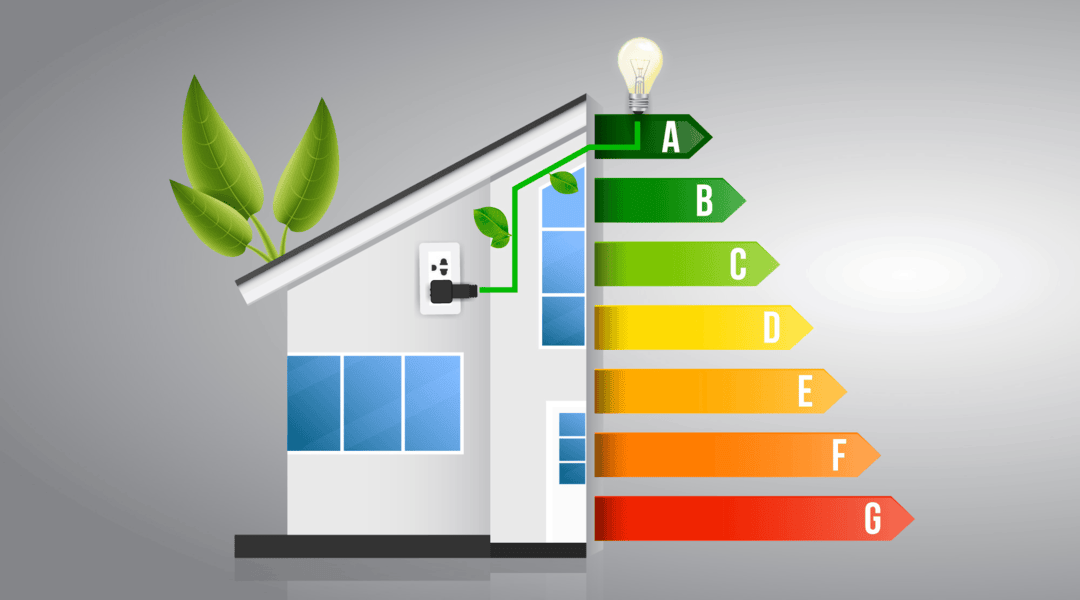
The Measurement & Verification process is a process whereby data is collected to determine a baseline in the client’s energy consumption patterns.
This enables us to customize a design to best suit the clients.
We provide the full scope of Measurement and Verification (M&V) Services and the implementation of these designs.

Solar is one of the cheapest methods of generating electricity on a site and has very little maintenance requirements compared to other renewable energy technologies. It is an environmentally friendly alternative from traditional fossil fuel energy as well as economically viable. The energy generated is largely predictable and therefore a payback period can easily be calculated.
Not much emphasis was placed on energy conservation in the past, most of the older equipment is not energy efficient. Opportunity exists for companies to reduce their energy consumption significantly by upgrading or retrofitting equipment.
The major technological focus would be on the hot water system, heating and cooling system, lighting & power factor correction.
The cost of going off the grid will depend on the amount of power consumed. However, the challenge with going off the grid is sometimes an area will have multiple cloudy days in which the system is not able to generate enough power to feed the loads and charge the battery. Therefore, an excessively large system will have to be designed to accommodate for these days.
Solar panels convert sunlight into electricity using photovoltaic (PV) cells. When sunlight hits the PV cells, it knocks electrons loose from their atoms, generating a flow of electricity.
Savings depend on your electricity usage, solar system size, and local electricity rates. The new smart inverters allow for some of the battery energy to be utilised at night while saving some in the event of a power outage which then optimises the savings.
The installation process usually takes 2 to 4 days.
Most solar panels come with a 25 to 30-year warranty and can last even longer with proper maintenance.
Solar panels require minimal maintenance, mainly keeping them clean and free of debris. Regular inspections by your installer can ensure they are functioning optimally. The system also requires mechanical and electrical maintenance over the lifespan of the system
Standard grid-tied solar systems do not work during a power outage unless they are paired with a battery storage system.
The space required depends on your energy needs and the efficiency of the panels. An average home needs 12 to 35 sqm of roof space.
With net metering, you can sell excess electricity back to the grid, which can result in a credit on your electricity bill once approved by the municipality.
Yes, solar panels can still produce electricity on cloudy days, though at reduced efficiency. They can also work efficiently in cold weather as long as there is sunlight.
Look for a reputable installer with good reviews, proper licensing, and certifications. Get multiple quotes to compare prices and services.
Studies have shown that solar panels can increase property values as they reduce energy costs and appeal to environmentally conscious buyers. Most people are looking for reliable energy due to load shedding therefore it makes the property a more attractive buy
Yes, the main types are monocrystalline, polycrystalline, and thin-film. Monocrystalline panels are typically more efficient in terms of generation and space but also more expensive. Monocrystalline is the most common panel in the market at the moment
While DIY installation is possible, it is recommended to use a professional installer to ensure the system is safe, efficient, and meets local regulations. Due to solar power producing DC power, the danger associated with it is far greater than AC power.
Your roof should be in good condition, ideally facing north, with minimal shading. A professional solar assessment can determine your roof's suitability.
Solar panels significantly reduce carbon emissions and reliance on fossil fuels. The manufacturing process has some environmental impact, but it is offset by the clean energy produced over their lifetime.
Options include purchasing outright, solar loans, leasing, and power purchase agreements (PPAs). Each has its pros and cons depending on your financial situation.
The payback period typically ranges from 5 to 15 years, depending on system cost, local electricity rates, and generation capabilities of the system.
Yes, many systems are expandable. However, it’s important to consider future energy needs and roof space when initially designing the system.